Gift Guide · Holidays 2026 · The Future, Wrapped
Every object in this guide was designed by someone who believed tomorrow would be shinier, rounder and more fun than today. A lamp shaped like a mushroom from outer space. A radio that folds shut into a single cube. A watch so advanced in 1970 that it cost about as much as a family car. Best of all, you can still buy every one of them new, made by the same companies or their rightful heirs. Here are 22 presents for people who never stopped waiting for the future, from a $32 tin robot to a record player you order and wait for!
We picked these for their design and their stories, and we checked that each one is still in production. A few links earn us a small commission if you buy, at no cost to you. Prices were checked in early November 2026 and will drift as the season goes on.
- Under $50 a tin robot, a lava lamp, a calculator watch and a NASA poster.
- Under $300 the astronaut pen, two big books, a LEGO pinball machine, the MoonSwatch and three design classics.
- Splurge a cube radio, a space-age mushroom lamp, the Ball Clock, a saucer lamp and two Hamilton watches.
- Dream big a dial-less watch, the bat-wing lamp, a hanging bubble chair and the most beautiful record player ever made.
Under $50 Stocking stuffers from tomorrow
Robot Lilliput, by Schylling
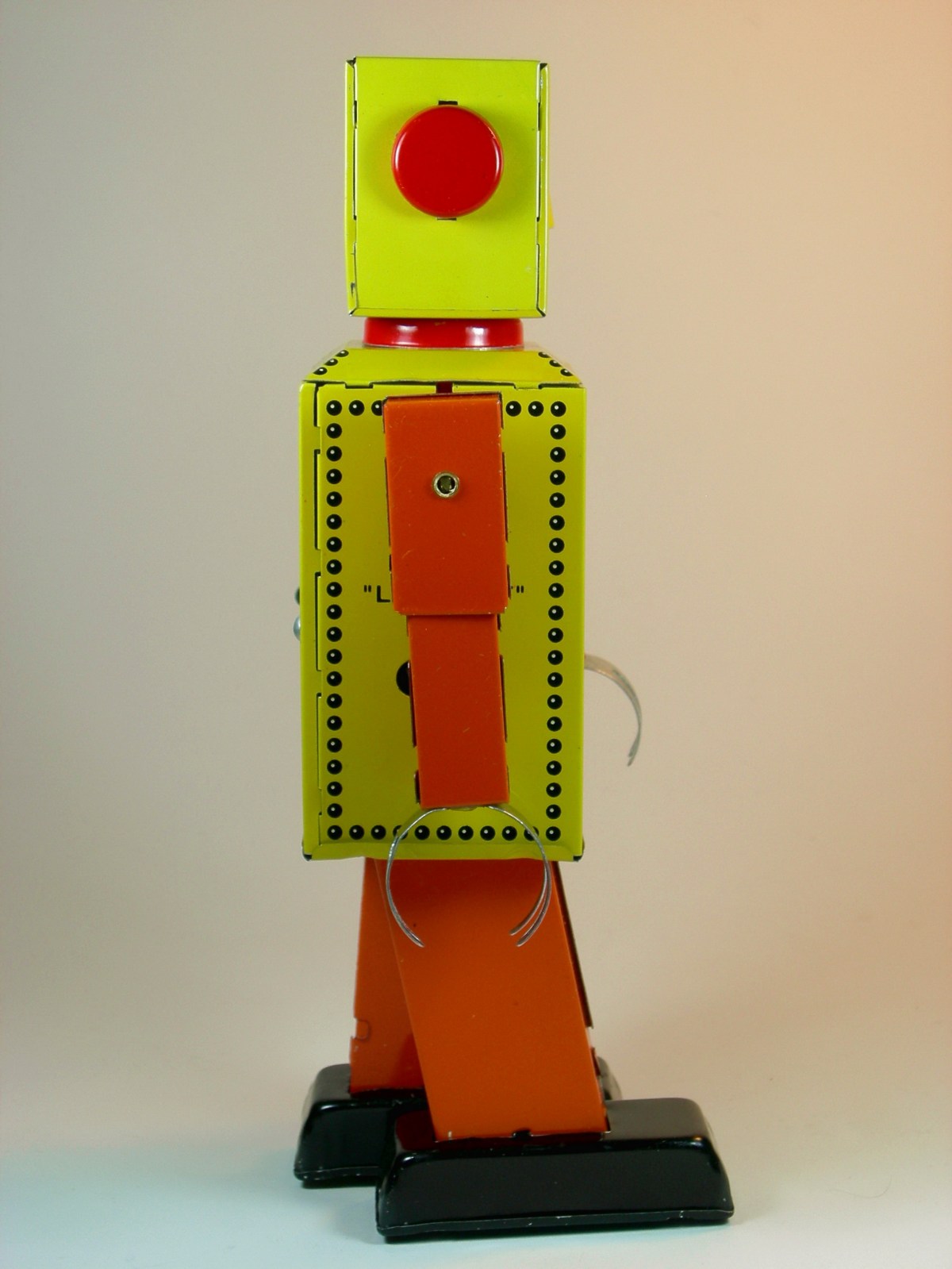
Start with the grandfather of every toy robot. The original Lilliput was a small tin wind-up made in Japan, most likely in 1937, though the dates people give run as late as 1948. Tate calls it the first mass-produced robot toy, which would put it well ahead of the robots that marched through the 1950s. Schylling’s reproduction keeps the boxy body, the riveted look and the stiff-legged shuffle. It belongs on a desk, not in a box.
If the robot wins you over, our robot album has the whole family tree.
The original LAVA lamp
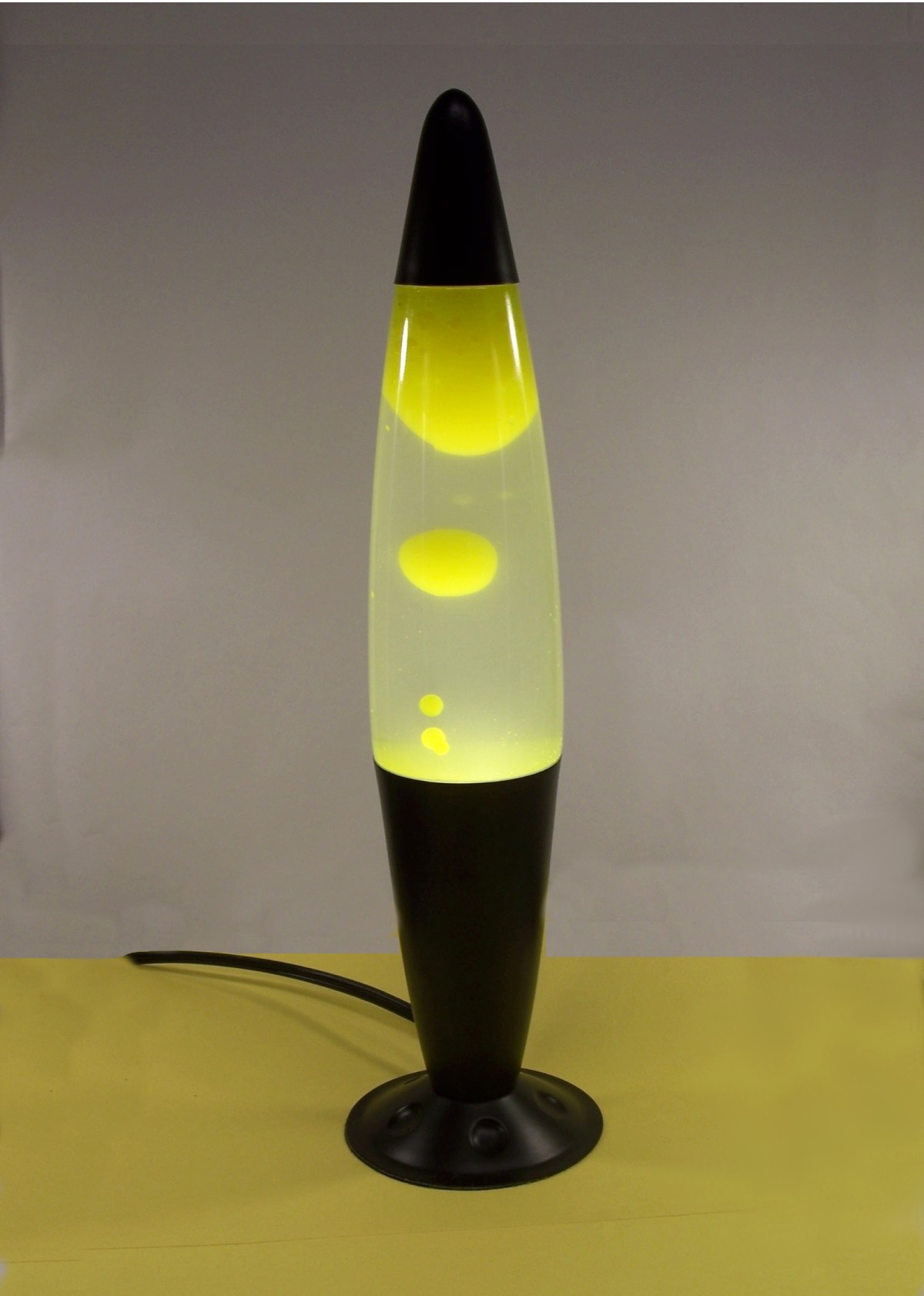
Craven Walker’s Astro lamp is still sold in Britain by Mathmos, but Mathmos doesn’t ship to the United States. The good news is the American line has its own pedigree. Two entrepreneurs, Adolph Wertheimer and Hy Spector, bought the US rights to Walker’s lamp after seeing it at a German trade show in 1965, and Schylling now makes the LAVA brand. Same rocket silhouette, same slow, hypnotic blobs. Put it on for the winter and you’ll understand the 1960s a little better.
Casio CA-53W calculator watch
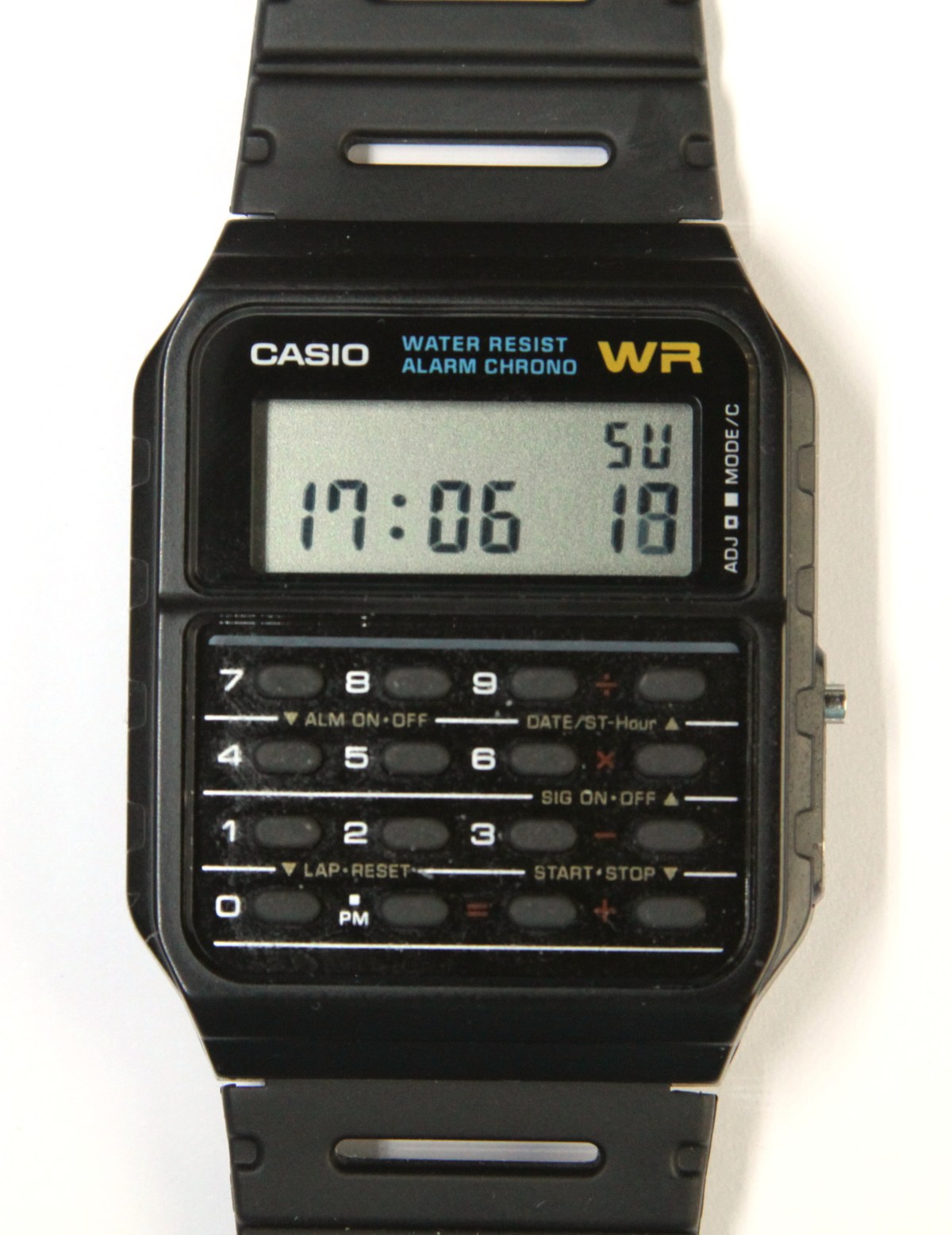
Here is the one 1980s object we let into the guide, because it looks exactly like what the 1960s thought a 1980s watch would be: a tiny computer strapped to your wrist, with a keypad of rubber buttons for doing math on the bus. Marty McFly wears one in Back to the Future Part II and III, which makes it, technically, a watch from the future. It’s cheap, it’s light and it’s still in production.
A “Visions of the Future” travel poster
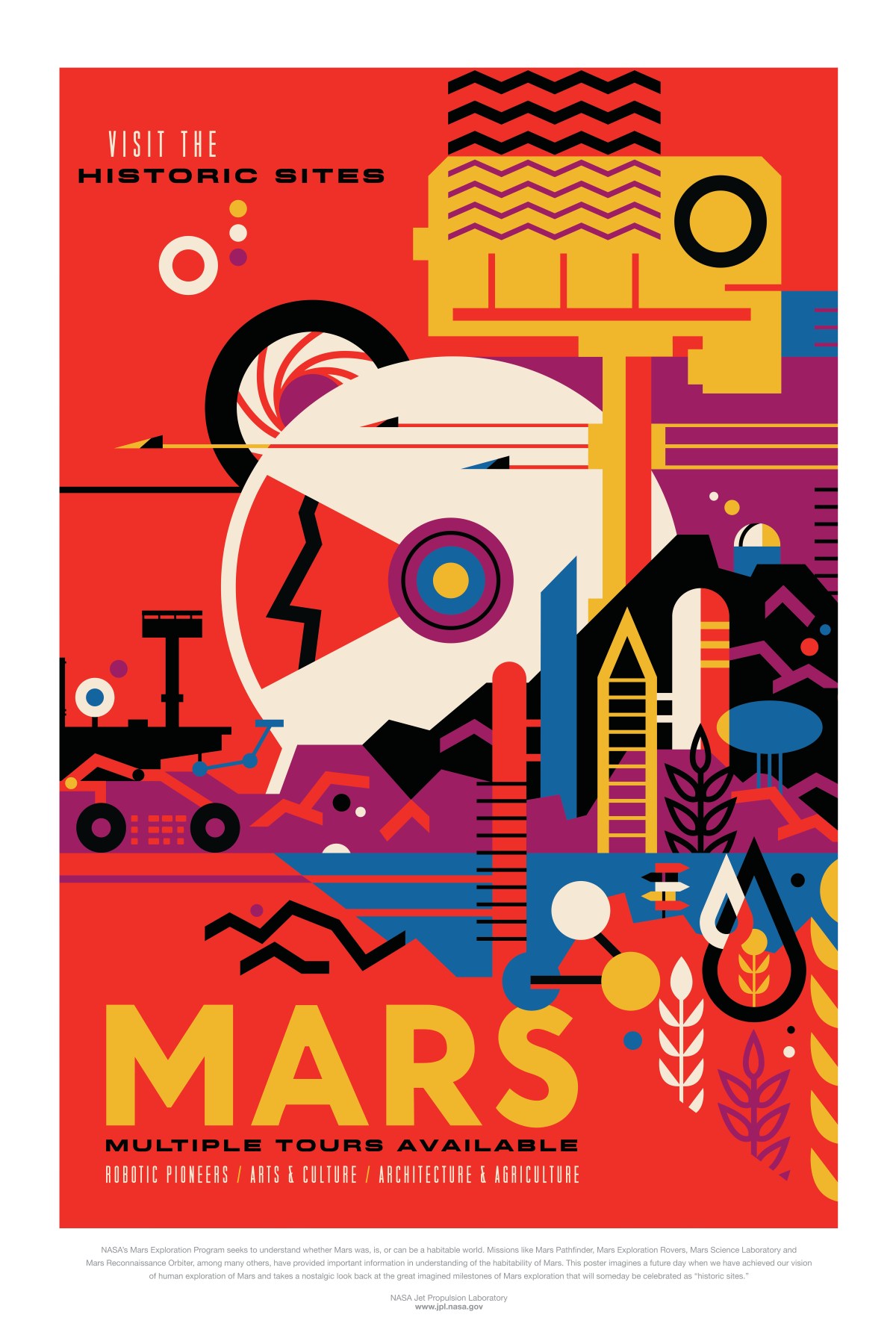
NASA’s Jet Propulsion Laboratory once asked artists to make travel posters for places no tourist has ever been, and the brief, according to Smithsonian, was the “retro future of space travel.” Brothers Don and Ryan Clark of the studio Invisible Creature designed some of them, and they sell beautiful giclée prints of their work in several sizes, framed if you like. Of all the gifts here, this is the one most likely to make someone say “where did you get that?”
Shop it at Invisible Creature →
Under $300 Real design, real history
Fisher Space Pen, AG7 “Original Astronaut”
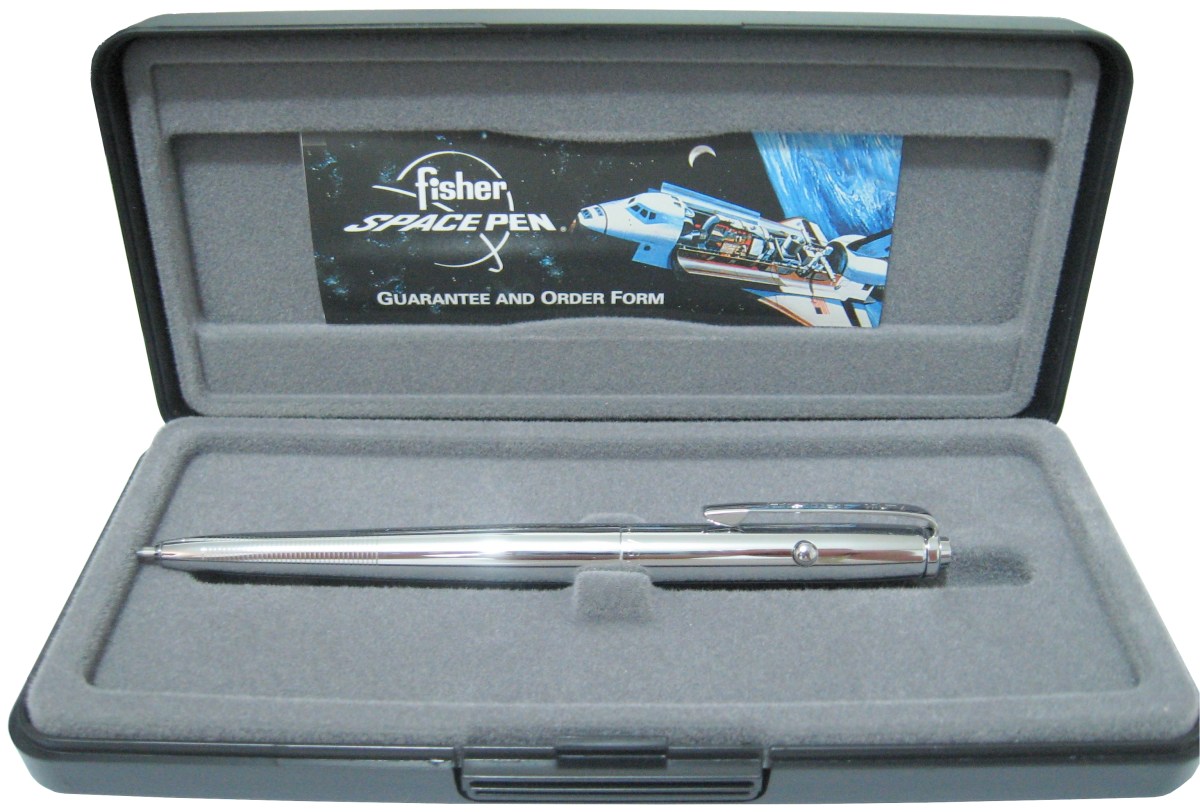
A pressurized ink cartridge that writes upside down, underwater and in zero gravity. Fisher’s AG7 went through two years of NASA testing and first flew on Apollo 7 in October 1968, and the shape has hardly changed since. It’s sleek and chrome-bright, a little piece of the space program you can actually use every day. A perfect gift for the person who has everything except an astronaut’s pen.
The Art of NASA, by Piers Bizony
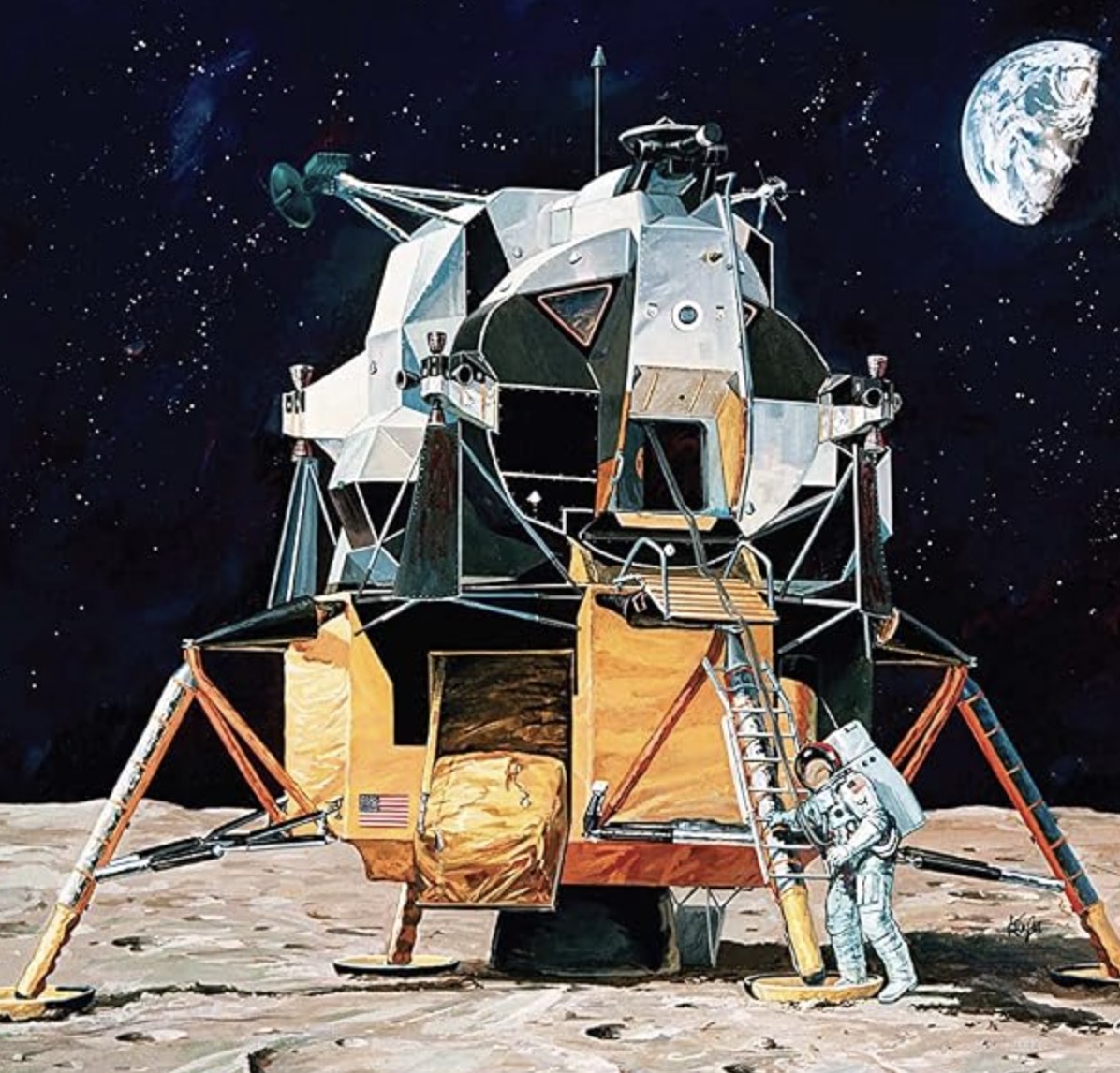
More than 200 illustrations that NASA commissioned to show the public what its missions would look like before they happened: landers, space stations, rockets on the pad at sunset. This is retro-futurism made by the people who were actually building the future. The expanded edition adds a Lunar Module paper model and a poster, which makes it a very good gift for the coffee table.
Space Age Design, by Peter Martin
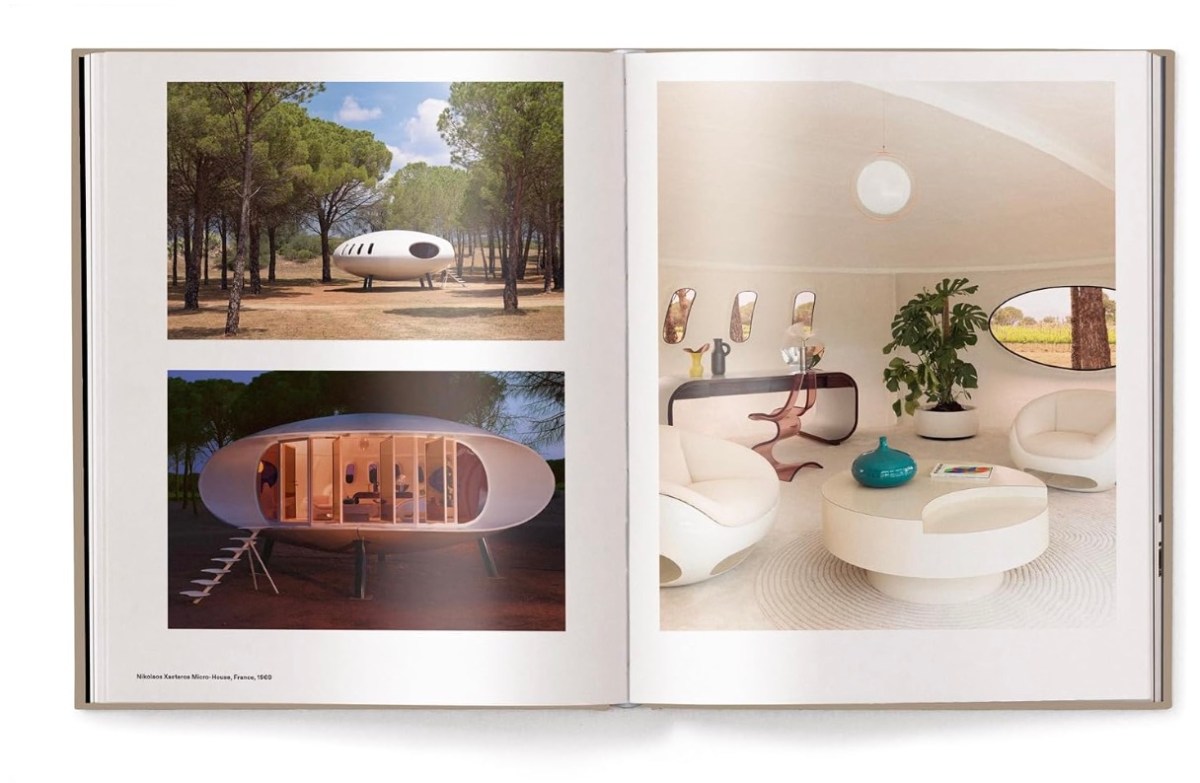
If the person on your list loved our retro-futurist film list for the sets, this is their book. A big, image-rich survey of the furniture and objects of the Space Age movement, from Aarnio’s Ball Chair and Saarinen’s Tulip to Joe Colombo’s plastic dreams. Several pieces in this guide are in it.
LEGO Icons Arcade Pinball Machine (11374)
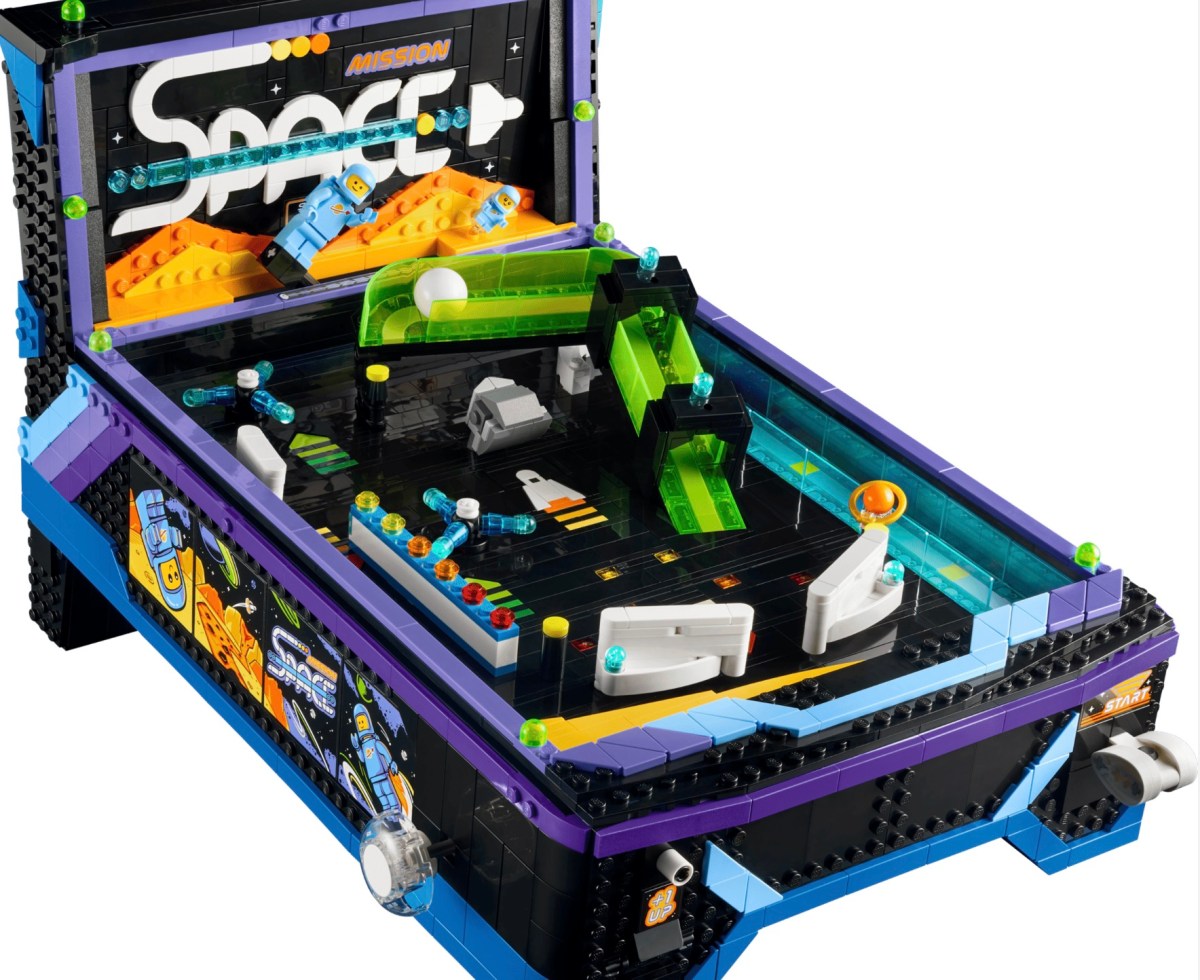
LEGO’s newest Icons set is a working pinball machine themed “Mission Space,” dressed in the graphics of the beloved Classic Space sets of the late 1970s and 80s. The best detail: a light-blue Classic Space astronaut, the first in that color, travels along the scoreboard as your score climbs. Builders will love the mechanism, and grown-ups who grew up with the original spacemen may need to sit down.
Kartell Componibili, round, three elements
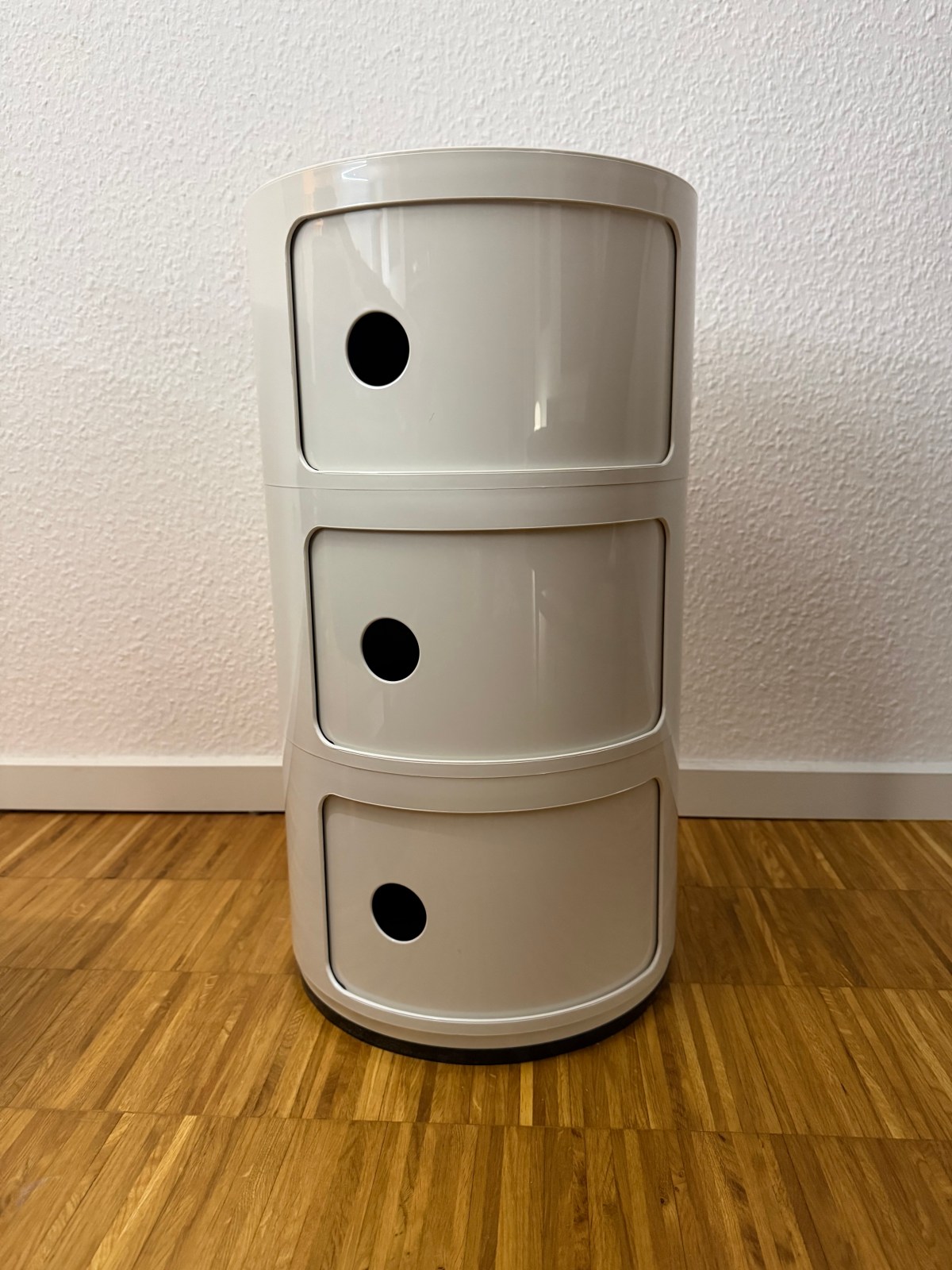
A stack of glossy plastic drums with sliding doors that click together into storage of any height. Anna Castelli Ferrieri designed Componibili in 1967, it appeared in the Museum of Modern Art’s 1972 show “Italy: The New Domestic Landscape,” and Kartell has made it continuously ever since. It works beside a bed, in a bathroom or under a desk, and it looks like it came off the set of a 1960s space station.
Shop it at MoMA Design Store →
Eames Hang-It-All
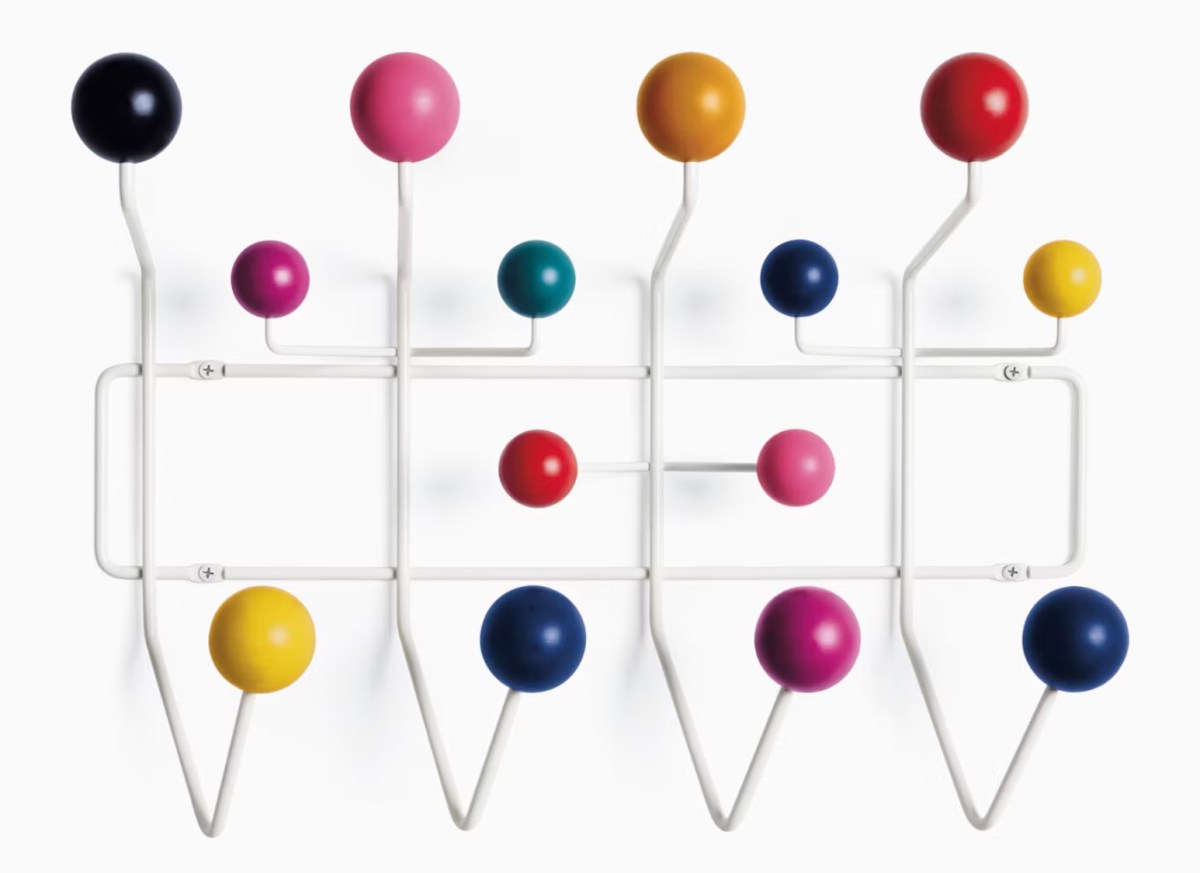
Charles and Ray Eames designed this coat rack in 1953 for a toy company’s playhouse line, using the wire-welding technique from their famous wire chairs, and capped every hook with a painted wooden ball. To our eyes it looks exactly like a chemistry-class model of a molecule, which is why it hangs in so many Atomic Age homes. Herman Miller reissued it in 1994 and it has been a hallway hero ever since.
Omega x Swatch MoonSwatch
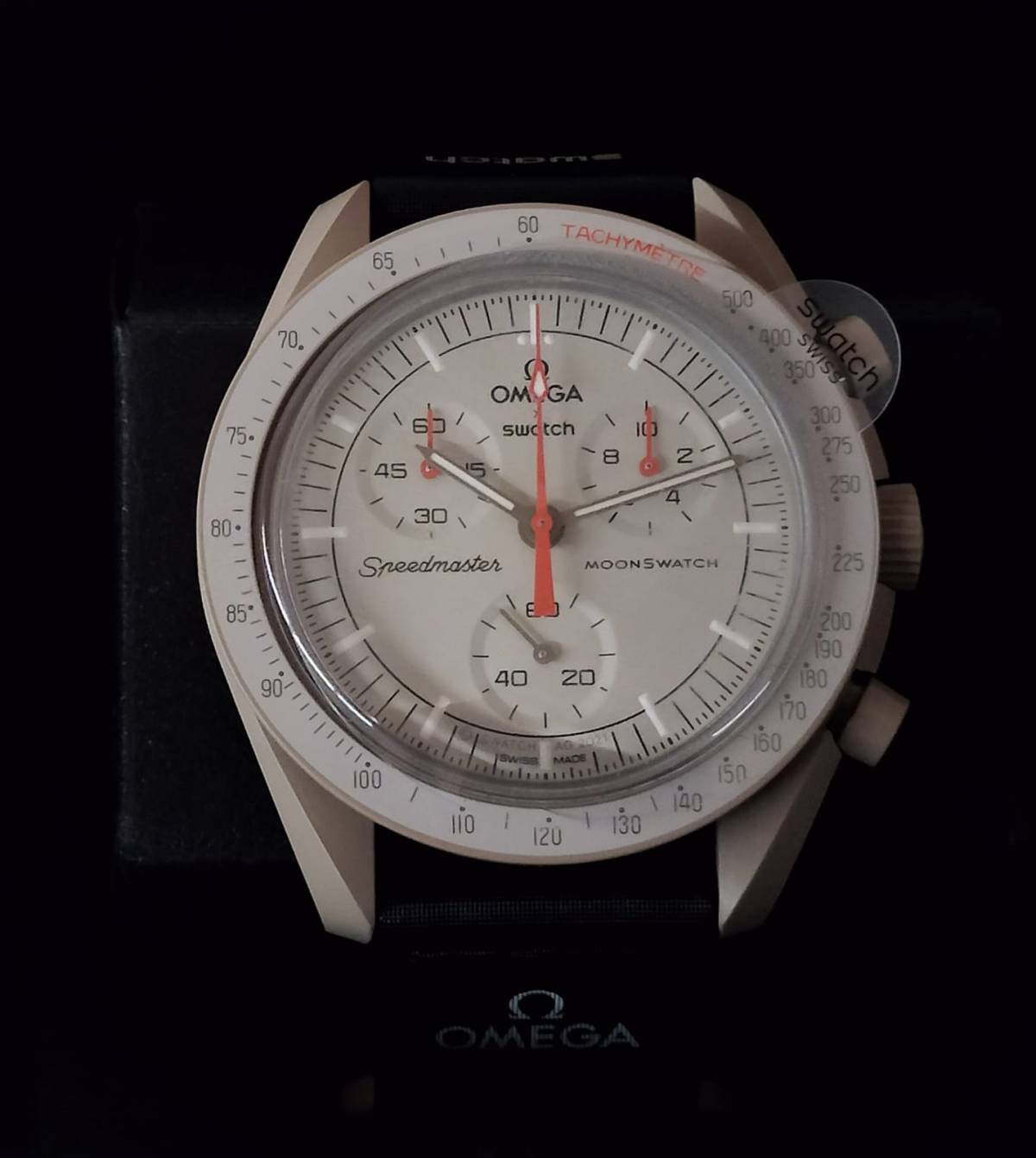
The famous Omega Speedmaster, the Moonwatch, remade by Swatch in Bioceramic, a material that is about two-thirds ceramic and one-third material derived from castor oil. The original 2022 collection had eleven watches named for the Sun, the Moon and the planets. It’s the most affordable way to own the shape of the watch that went to the Moon.
One honest warning: MoonSwatches are sold mainly in Swatch’s own stores, one per person per day. Ignore the resellers.
See the collection at Swatch →
Louis Poulsen Panthella 160 Portable
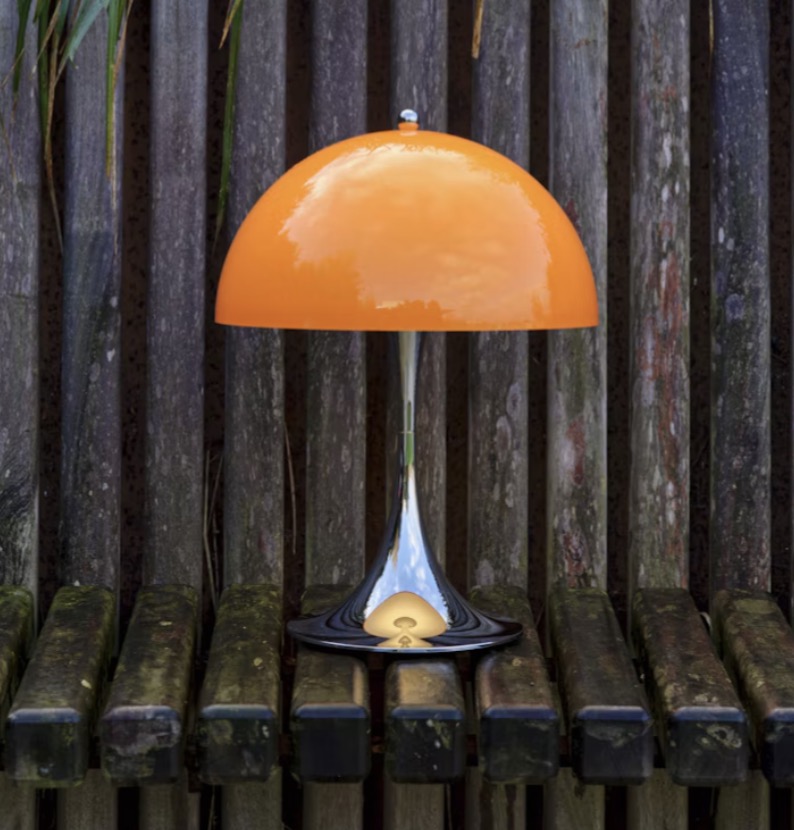
Verner Panton’s Panthella is a glowing acrylic dome on a flared stem, the kind of lamp that turns any corner into a cabin on a starship. Louis Poulsen made a little cordless version for the design’s 50th anniversary, so you can carry the glow from the table to the patio. It’s the most beautiful object in this guide under $300.
Shop it at Design Within Reach →
Splurge For the one who deserves the future
Artemide Nessino table lamp
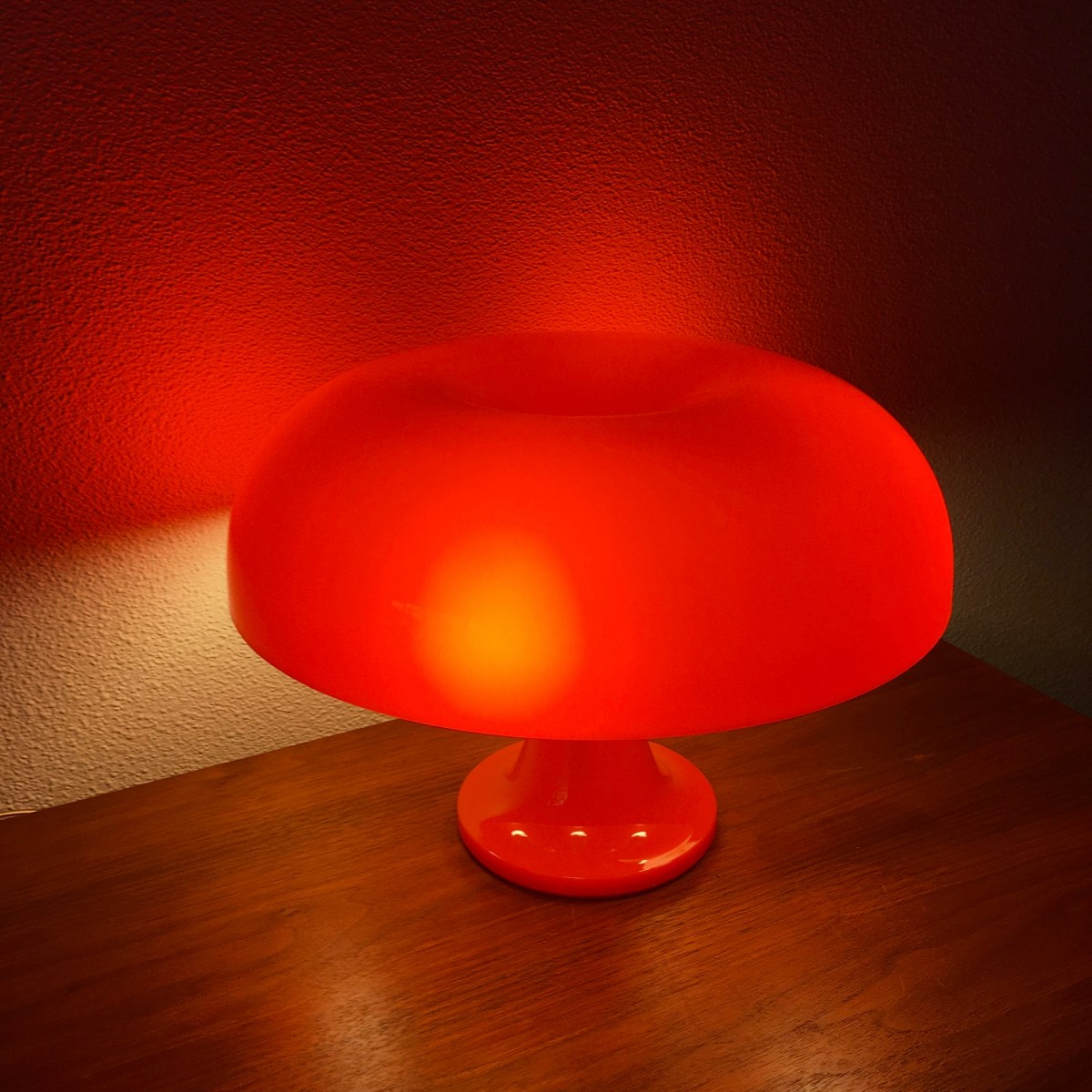
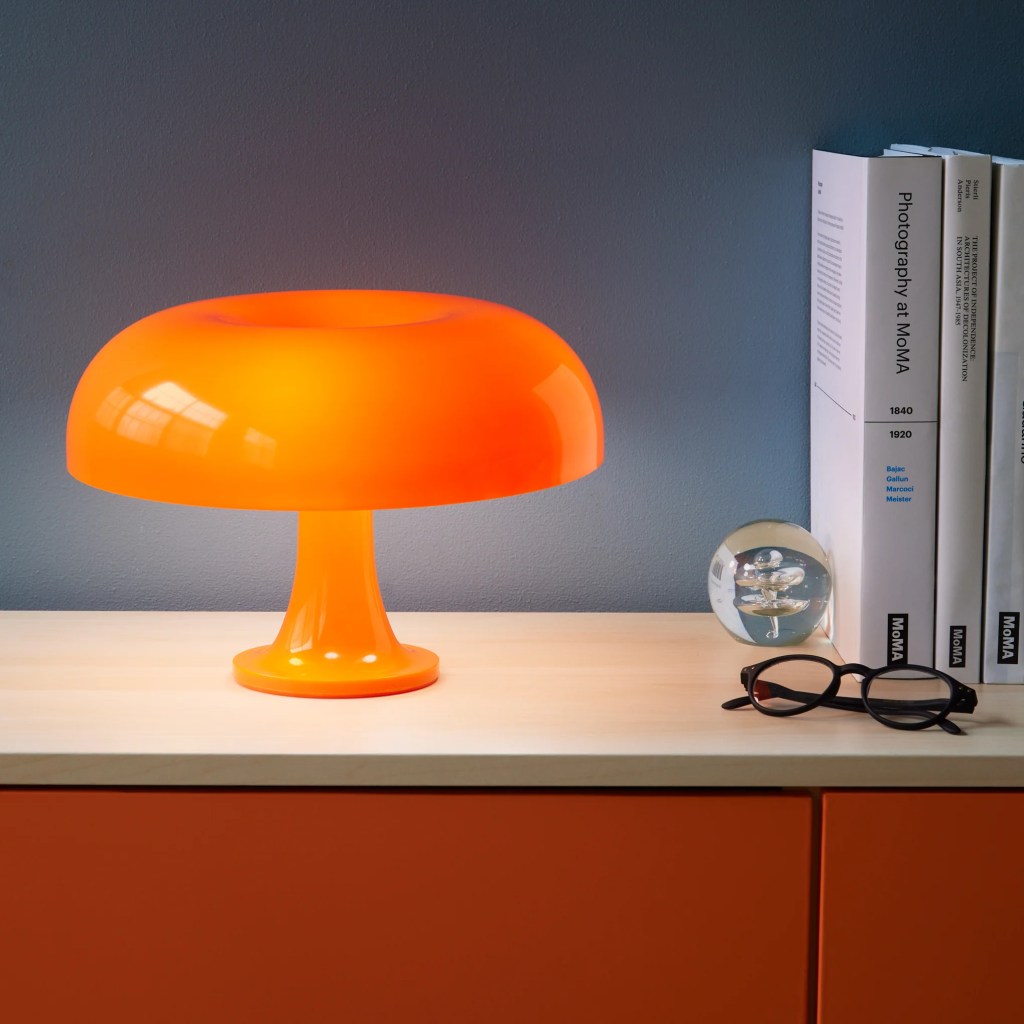
The Nessino is the little sibling of Mattioli’s Nesso, a mushroom of shiny injection-molded plastic that won a design competition in 1965. Design Within Reach calls it an iconic example of a space-age form, and it was one of the first products to bring molded plastic into the home. Turn it on and the whole cap glows. If you’d rather have the full-size Nesso, it runs about $490.
Shop it at MoMA Design Store →
Brionvega radio.cubo
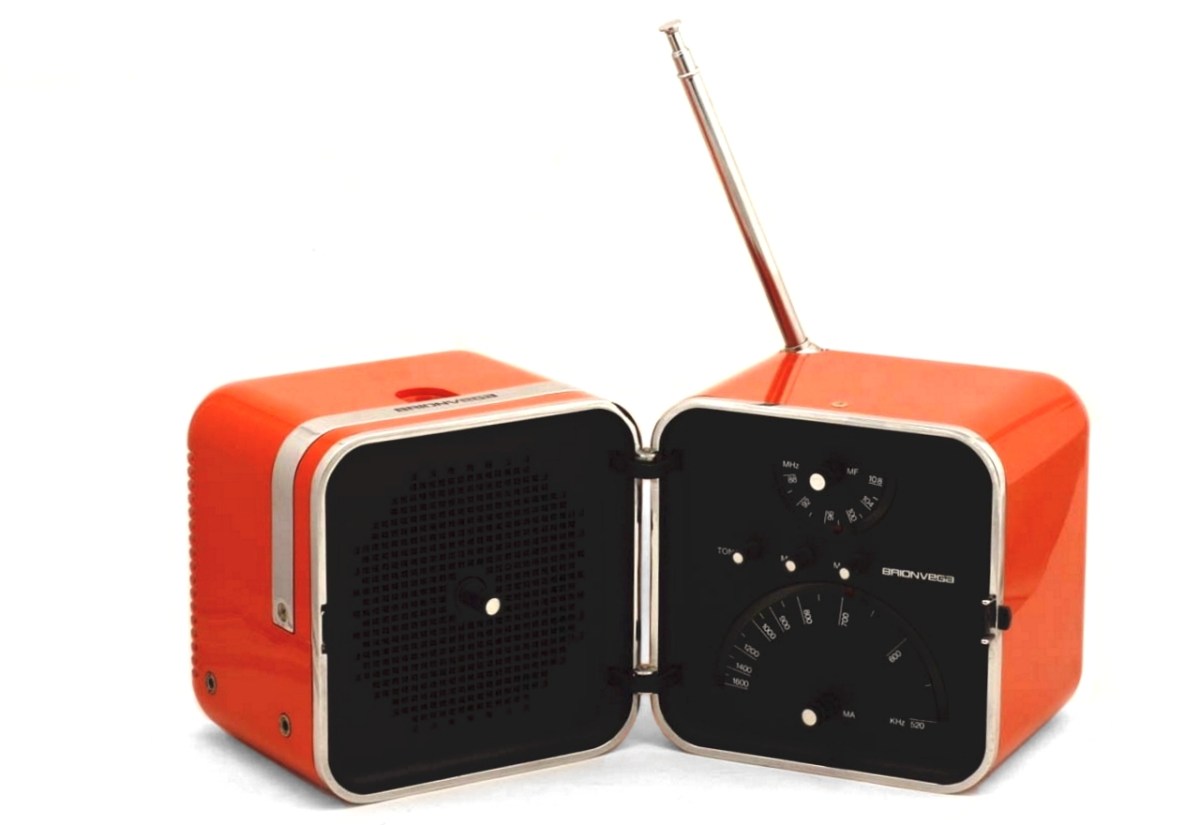
Two hinged boxes, one for the speaker and one for the controls. Open them and you have a radio; fold them shut and you have a single glossy cube with nothing on the outside at all. Zanuso and Sapper designed the TS502 in 1964, and Brionvega’s new edition keeps the original metal body while adding Bluetooth and a battery. FM works here; skip the DAB digital radio, which the United States doesn’t use. Still the cleverest radio ever made!
Shop it at MoMA Design Store →
Vitra Ball Clock
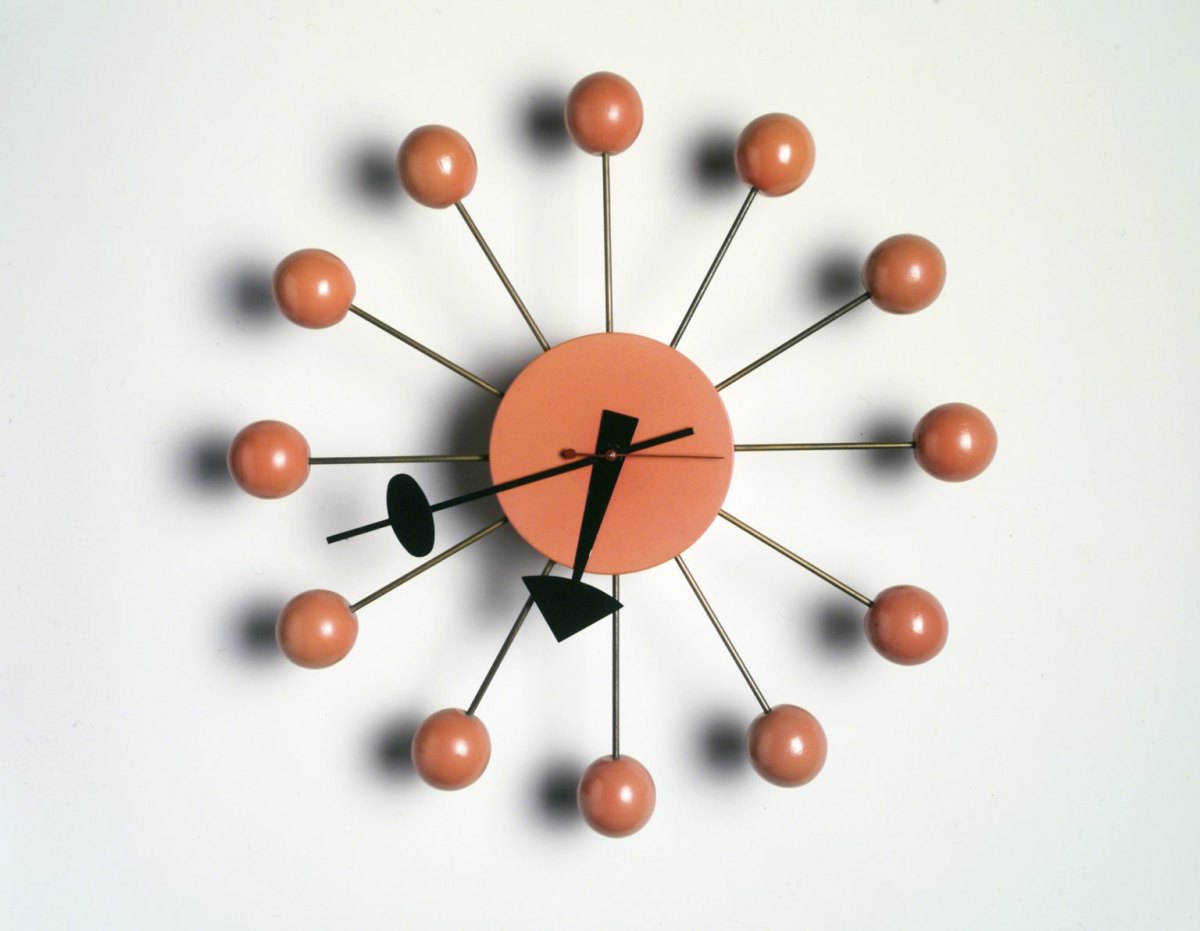
The Atomic Age in a single object: twelve colored balls on spokes around a tiny clock face, like an atom drawn for a schoolbook. It was the first of more than 150 clocks George Nelson’s office designed for Howard Miller, and the design is credited to Irving Harper. It’s still the best wall clock for anyone who loves this stuff.
Shop it at Design Within Reach →
Nelson Saucer Bubble Pendant, large
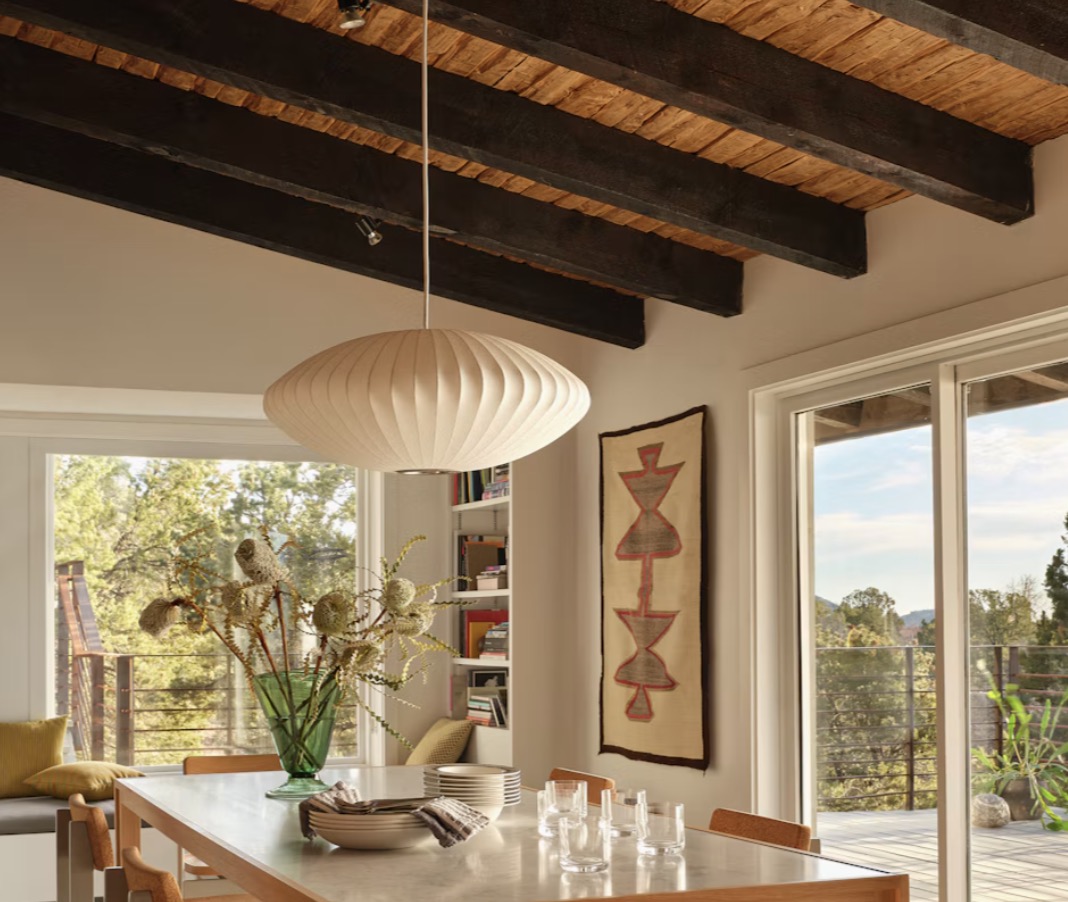
Here’s a flying saucer you can hang over the dining table. George Nelson got the idea from photographs of mothballed Liberty ships wrapped in sprayed plastic, and built his first lamp by spraying plastic over a spinning wire frame. The result glows like something that just landed. Read our story of how the flying saucer got its shape and you’ll see why we couldn’t resist.
Shop it at Design Within Reach →
Hamilton PSR
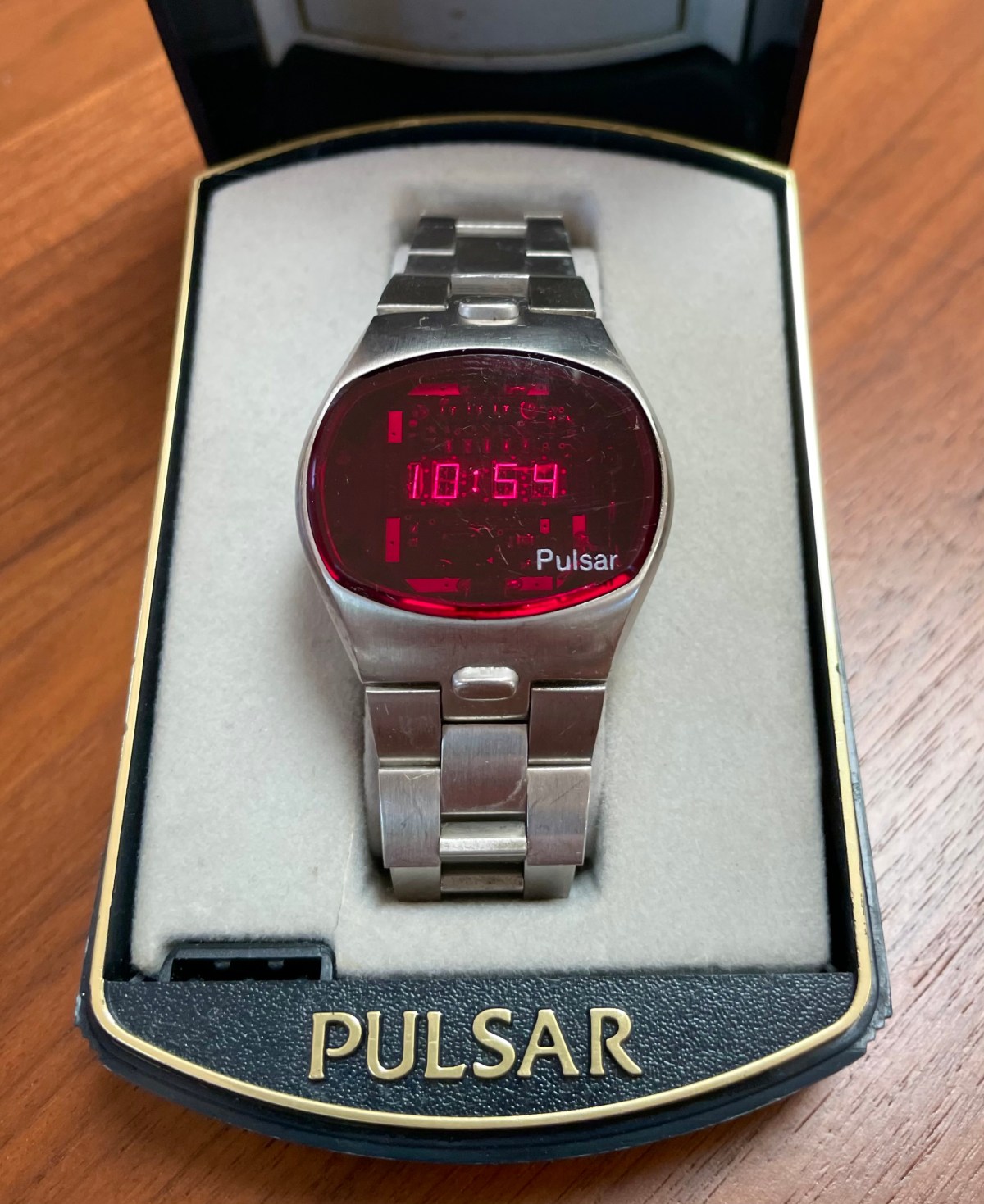
On May 6, 1970, Hamilton unveiled the Pulsar, the first electronic digital wristwatch, and when the P1 went on sale in 1972 it cost $2,100, about the price of a family car. The PSR brings back that slab of polished steel and dark glass. In daylight it reads like a modern digital watch, and at the press of a button its numerals glow red, just like 1972.
Hamilton Ventura
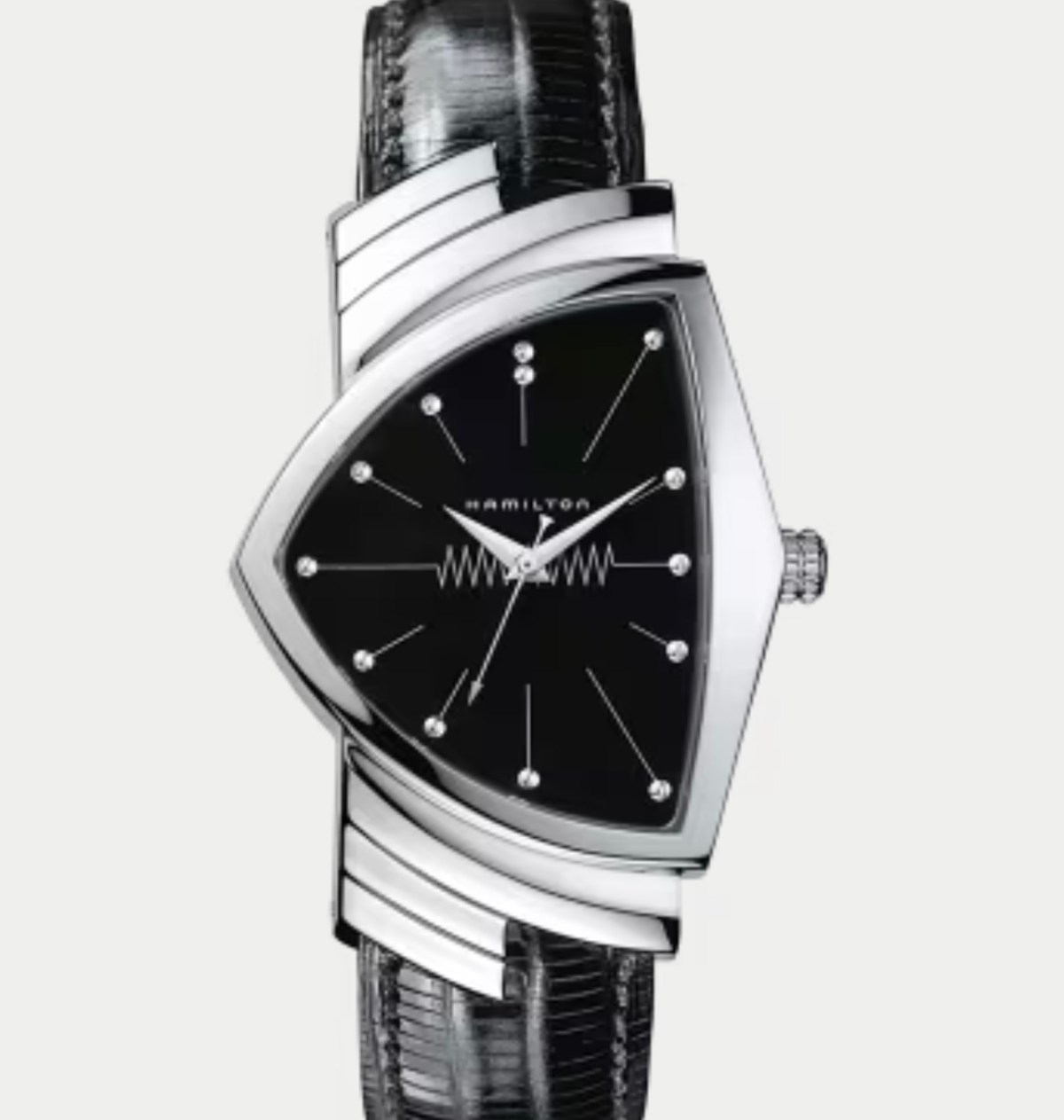
In 1957 Hamilton launched the first battery-powered wristwatch, and it gave the new movement a case to match: a lopsided triangle with a lightning-bolt face, drawn by the car designer Richard Arbib. Elvis bought one and wore it on the set of Blue Hawaii. The Ventura has never really gone away, and it still looks like the most futuristic watch in any room.
Shop it at Precision Watches →
Dream big If Santa has a design budget
Accutron Spaceview 2020
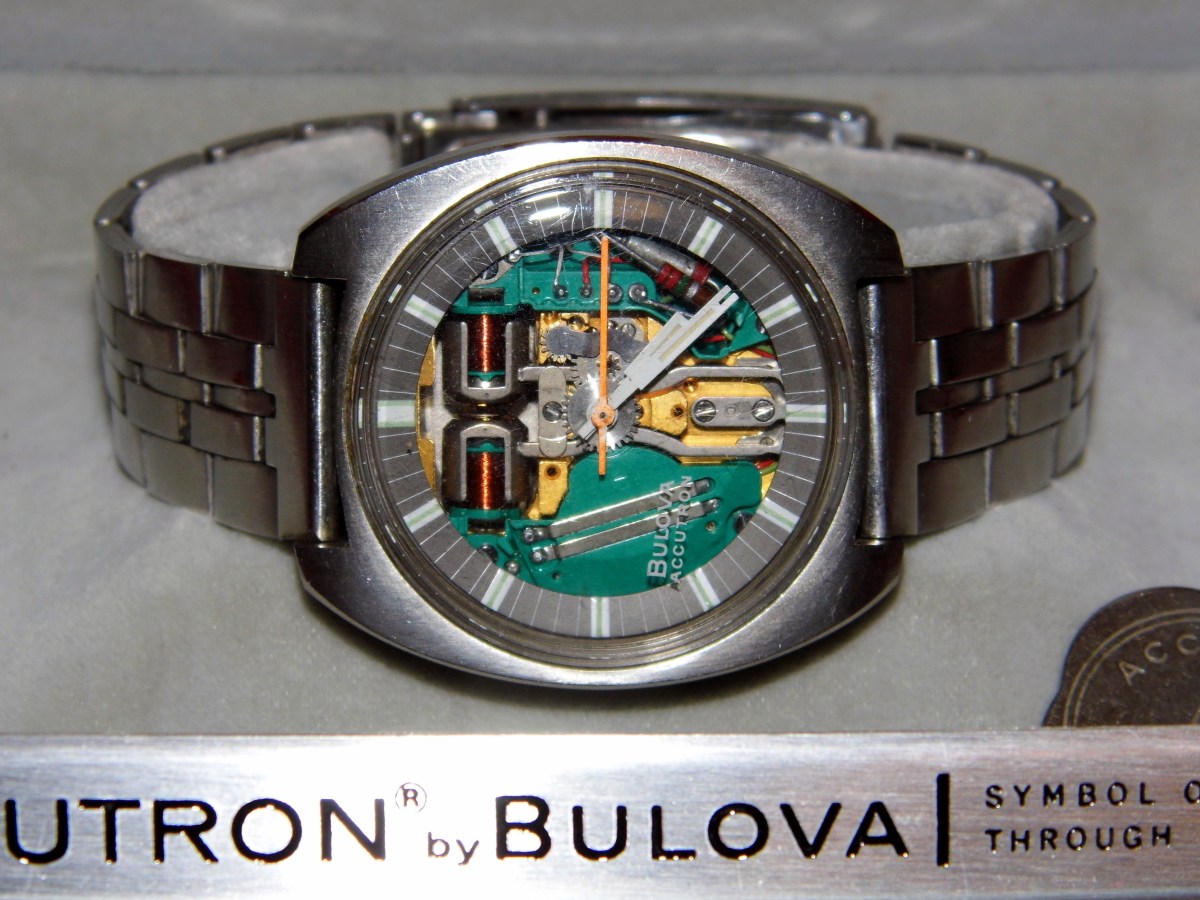
In 1960 Bulova’s Accutron became the world’s first fully electronic watch, ticking to a tiny tuning fork. The Spaceview was never meant to be sold: it had no dial so that jewelers could show off the movement inside. Customers wanted the display model anyway, and a legend was born. The 2020 version keeps the open face and green accents and runs on a new electrostatic movement. It’s the most mesmerizing watch in this guide.
Shop it at Exquisite Timepieces →
Martinelli Luce Pipistrello
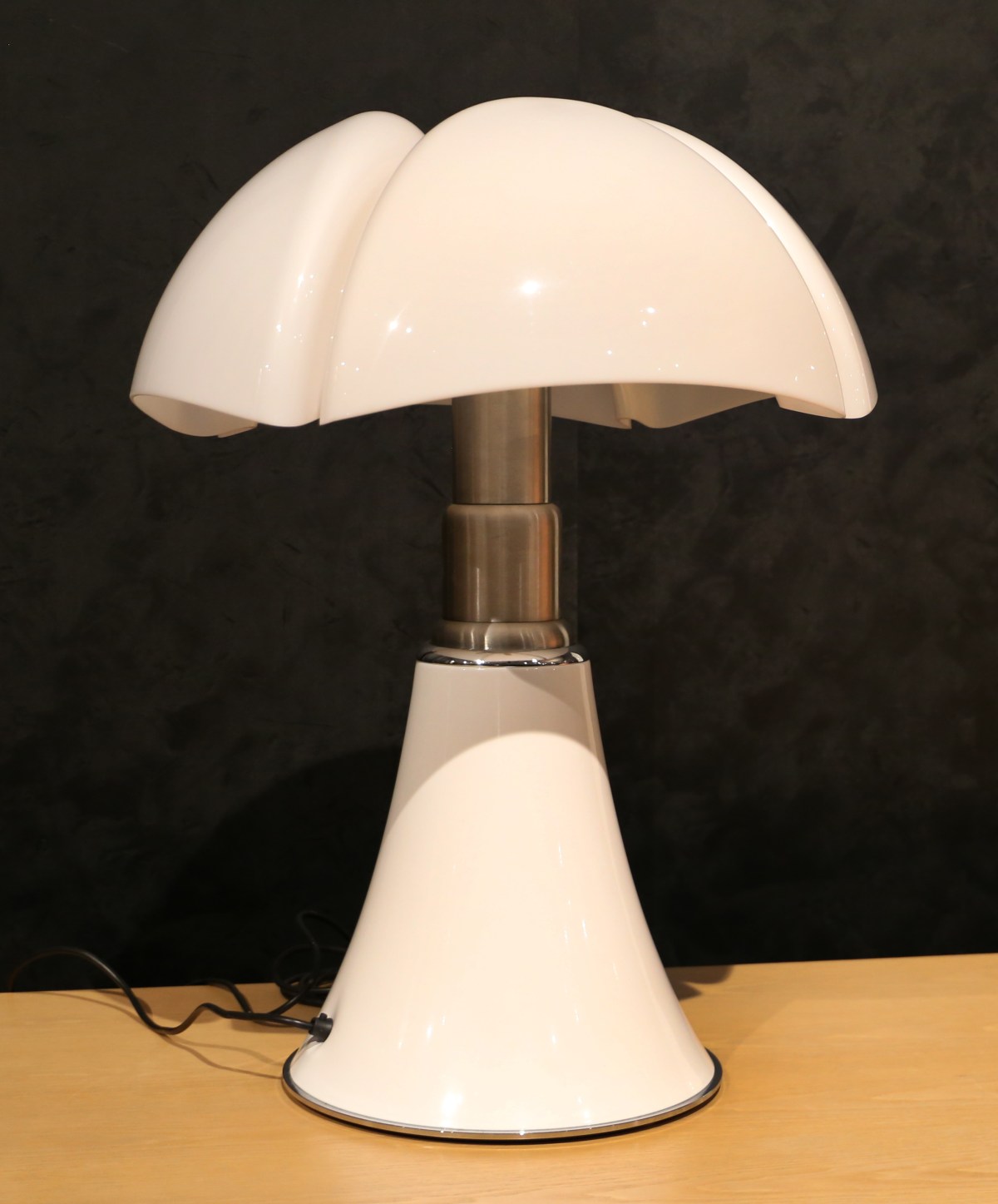
Pipistrello means bat in Italian, and you can see why: the white shade spreads out in segmented wings over a telescoping stem that turns it from a table lamp into a low floor lamp. Gae Aulenti designed it in 1965 and it’s in the collections of MoMA and the Centre Pompidou. It looks as if it were designed for a lounge on the Moon.
Eero Aarnio Bubble Chair
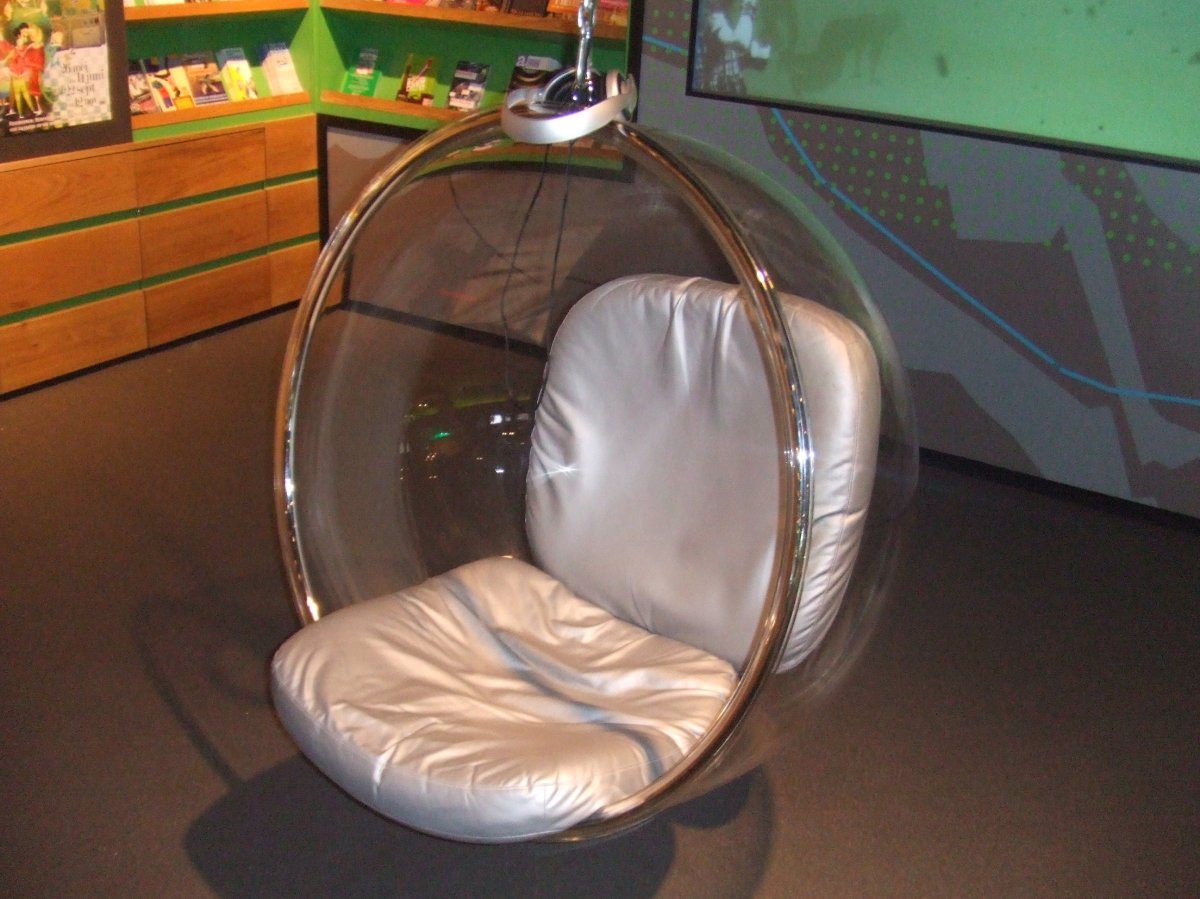
A clear acrylic sphere that hangs from the ceiling, with a cushion inside, so that you float in a soap bubble above the floor. Eero Aarnio designed it in 1968 as the see-through follow-up to his Ball Chair of 1963, which had a telephone built inside and later turned up in The Prisoner and Mars Attacks! If your budget truly knows no limits, the Ball Chair is about $12,400. Either one is the single most Atomic Daydream object we can think of.
Shop it at Eero Aarnio Originals →
Brionvega Radiofonografo
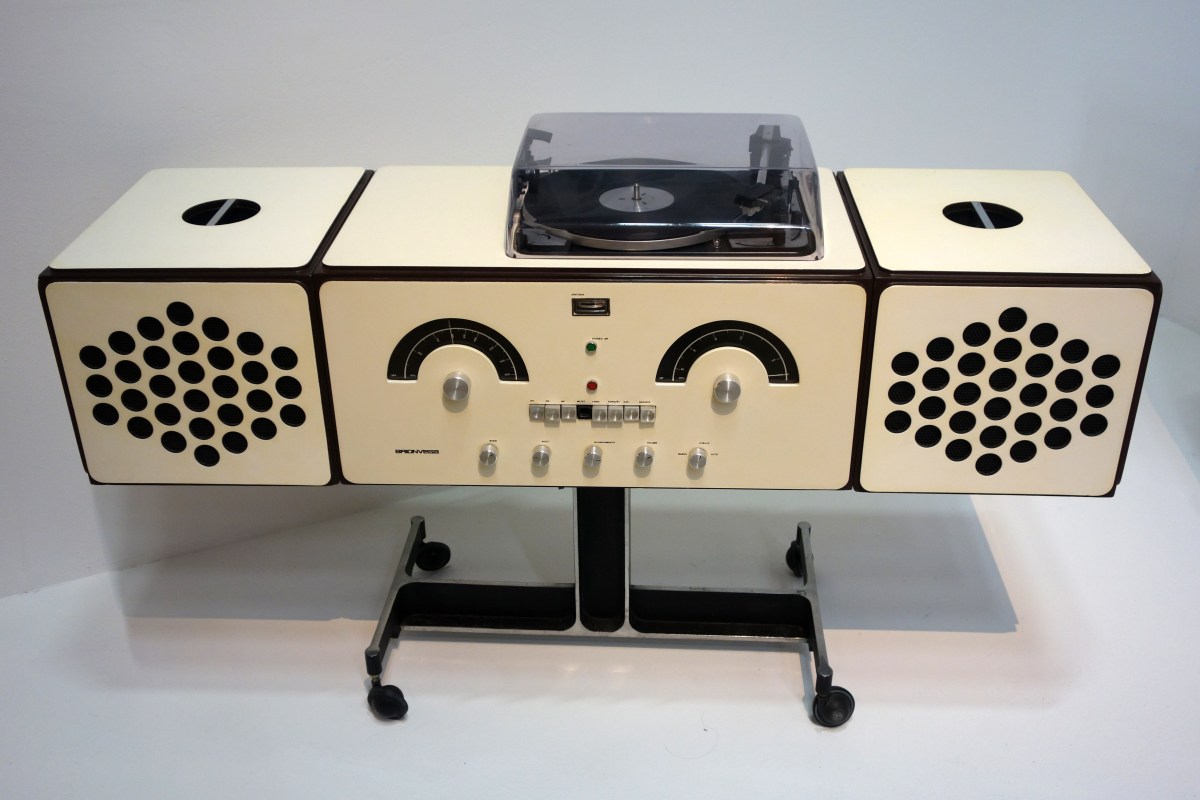
A stereo cabinet that seems to have a face, with two round-cornered speakers that sit at its sides like ears and a turntable hidden under the lid. The Castiglioni brothers designed it in 1965, and Brionvega still builds it to order, including a numbered 60th-anniversary edition. It’s the grandest object here, and a fitting finale for our tour of space-age turntables.
Wrap it in the future
The best of these gifts come with a story, so tell it. Tuck a note in the box about the Liberty ships behind the Saucer lamp, or the jewelers who couldn’t keep the Spaceview in the window. And if you’re shopping for someone who already has a Ball Clock, send them our way. We have about eighty more stories like these.
More from the archive: space-age turntables, Nothing’s Headphone (1), LEGO’s life-size Game Boy and Camp Snap’s video camera.


Leave a Reply